Trip: Long November Weekend in Iceland – Sky Lagoon, Kirkjufell & Reykjavík
Dates: November 9–12, 2023
Base: First two nights in a cabin near Kirkjufell, final nights in Reykjavík, Iceland
Style: Self-drive with a rented SUV, chasing waterfalls, historic spots, and the northern lights
Table of Contents
- How to Use This Guide
- Daylight, Twilight & Northern Lights Windows
- Evening Before Departure – From Home in Rhode Island to Boston
- Day 1 – Arrival in Iceland, Bónus Groceries & Sky Lagoon
- Day 2 – Kirkjufell, Snæfellsnes Peninsula & Aurora Hunting
- Day 3 – Drive to Reykjavík, City Icons & Ramen Momo
- Day 4 – Last Morning in Reykjavík & Departure from KEF
- Bónus Supermarket: What to Buy for a Short Stay
- Food & Restaurant Highlights
- What to Wear in Iceland in November
- What to Bring
- What Not to Bring
- Cultural Tips for Iceland
- Safety & High Crime Areas
- Extra Tips for Travellers from the USA
How to Use This Guide
This itinerary is written for a long weekend in Iceland in early November. It’s based on the exact trip I planned: flying overnight from Boston, renting an SUV, staying near Kirkjufell for the first two nights, then finishing the trip in Reykjavík before flying home.
The goal is threefold: first, to serve as my own reference while I’m on the road; second, to give you a step-by-step blueprint if you want to copy this trip; and third, to explain the why behind each choice so you can tweak it to your own style. Each day has approximate driving times, meal ideas, and the best windows for photos, drone flights, and searching for the northern lights.
Daylight, Twilight & Northern Lights Windows in Early November
Early November in Iceland means short days and long nights – perfect for aurora hunting, but you need to plan daylight hours carefully. Below are approximate times for Reykjavík (your cabin near Kirkjufell will be very similar).
| Date | Sunrise | Sunset | Civil Twilight | Nautical Twilight | Astronomical Twilight | Full Night |
|---|---|---|---|---|---|---|
| Thu, Nov 9 | ~09:34 | ~16:48 | ~08:35–17:45 | ~07:35–18:45 | ~06:40–19:40 | ~19:40–06:40 |
| Fri, Nov 10 | 09:39 | ~16:40 | 08:41–17:40 | 07:42–18:39 | 06:46–19:35 | 19:35–06:46 |
| Sat, Nov 11 | 09:42 | ~16:37 | 08:44–17:38 | 07:45–18:37 | 06:49–19:33 | 19:33–06:49 |
| Sun, Nov 12 | 09:45 | ~16:35 | 08:47–17:35 | 07:48–18:35 | 06:51–19:31 | 19:31–06:51 |
In practical terms, I plan my “serious” sightseeing and driving for about 10:00–16:30, use civil twilight for soft landscape photos, and treat anything after ~20:00 as prime northern lights time if the skies are clear.
Evening Before Departure – From Home in Rhode Island to Boston
I start this trip at home in Rhode Island and make my way to Boston Logan International Airport in the late afternoon. My flight to Iceland is scheduled for 10:00 PM, so I aim to be at Logan between 6:00 and 7:00 PM. That gives me the 3–4 hours I want for check-in, bag drop, and security, even though I have TSA PreCheck to speed things up.
Once through security, I use my Priority Pass membership to find a lounge, grab some light food, hydrate, and change into comfortable layers that will still work in Iceland’s cold. The goal is to treat the overnight flight as much like sleep as possible: eye mask, neck pillow, and a reminder to adjust my watch to Iceland’s time zone before I nod off.
Day 1 – Arrival in Iceland, Bónus Groceries & Sky Lagoon
06:00–08:00 – Arrival at Keflavík & Picking Up the SUV
We land at Keflavík International Airport (KEF) around 6:00 AM. I budget roughly an hour for immigration, baggage claim, and a quick restroom stop. After that, I walk over to the rental car desks and allow a full extra hour to handle paperwork, vehicle inspection, and loading up our luggage into the SUV.
By about 8:00 AM, we’re driving away in a 4×4 SUV – a must for early-winter conditions and peace of mind on the Snæfellsnes Peninsula.
08:00–09:00 – Airport Breakfast
Before hitting the road, we grab breakfast at the airport. A quick and easy option is Joe & The Juice in the arrivals area, known for their fresh juices, decent coffee, and light sandwiches (including vegetarian-friendly choices). I treat this as a simple, fueling breakfast before a big first day.
09:00–10:00 – Bónus Supermarket at Fitjar
From KEF, we drive a short distance to Bónus supermarket at Fitjar, 260 Reykjanesbær. The drive is about 10–15 minutes along Route 41. Here we stock up on groceries for our cabin near Kirkjufell: skyr, bread, cheese, fruit, snacks, drinks, and a couple of easy dinners.
I’ve included a full “what to buy” list later in this guide, but the idea is to be as self-sufficient as possible once we’re out in the countryside while still leaving room to enjoy local restaurants.
10:00–10:45 – Drive to Sky Lagoon
Groceries stowed, we head to Sky Lagoon, located at Vesturvör 44–48, 200 Kópavogur, Iceland. The drive from Bónus Fitjar to the lagoon takes around 40–45 minutes, skirting Reykjavík and rolling into Kópavogur. I aim to arrive about 45–60 minutes before our 11:30 AM reservation to park, check in, and unhurriedly shower before entering.
11:30–15:30 – Sky Lagoon Experience
Sky Lagoon is my “welcome to Iceland” reset. We soak in the warm, geothermal water with sweeping views over the North Atlantic, then work through the seven-step ritual: lagoon, cold plunge, sauna with a huge ocean window, mist room, and more. It’s the perfect way to ease jet lag and get into the rhythm of Icelandic bathing culture before heading into wilder landscapes.
15:30–16:45 – Early Dinner at Saffran (Required Restaurant)
After the lagoon, we dry off and drive about 10–15 minutes to Saffran at Dalvegur 4, 201 Kópavogur. This is a required restaurant for this trip. Saffran is a casual, fast-casual spot known for Mediterranean and Indian-inspired dishes with an Icelandic twist, plus solid vegetarian and vegan options.
I like to choose something hearty but not too heavy – maybe a tandoori-style chicken or a vegetarian wrap – to carry us through the evening drive to Kirkjufell.
17:00–19:30 – Drive to Our Cabin Near Kirkjufell
From Kópavogur, we drive to our Airbnb near Kirkjufell (coordinates around 64°56’07.9″N 23°20’27.0″W, close to Grundarfjörður). In good conditions, the drive from the Reykjavík area to Grundarfjörður is around 2–2.5 hours. In November, I treat this as a twilight or dark drive and go slowly, watching for ice, wind, and wandering sheep.
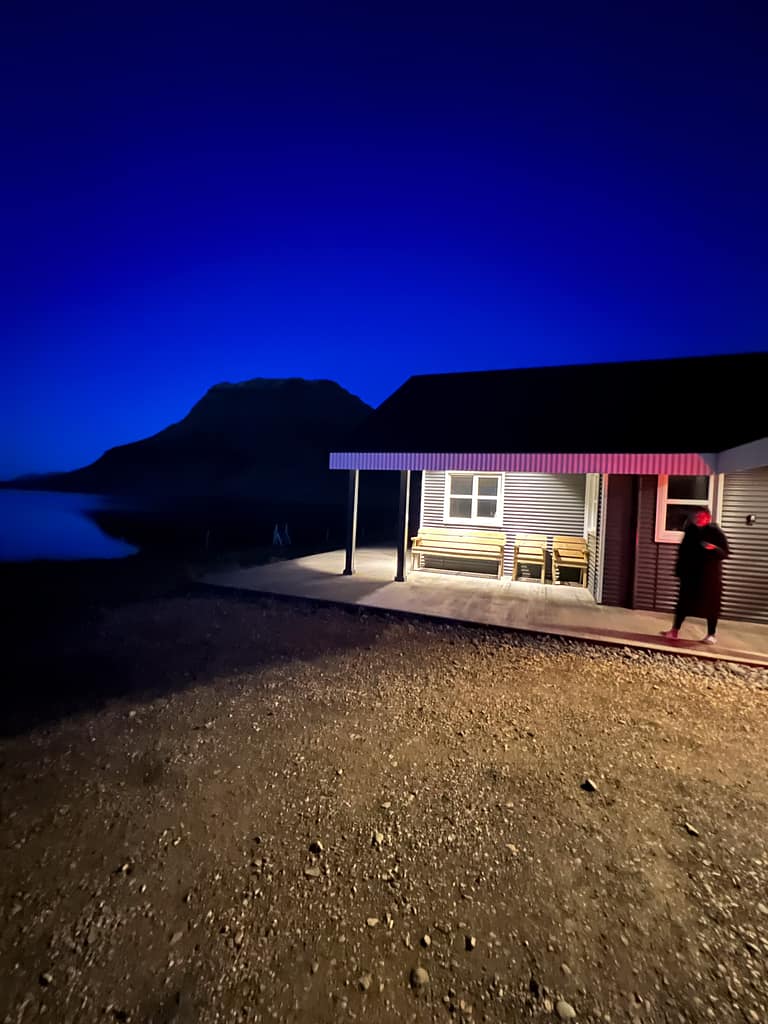
We aim to arrive around 7:30 PM, check in, unload the SUV, and quickly make the cabin feel like home. Dinner is simple: something from Bónus like pasta, soup, or sandwiches. The point tonight is rest.
20:00–23:00 – First Night: Northern Lights Check
Once we’re settled, we step outside periodically to look for aurora. The Kirkjufell area is famously photogenic even at night – if the aurora shows up, you can have the mountain silhouetted under green lights. I keep a tripod and warm layers handy so we can go from bed to aurora within minutes if the sky suddenly erupts.
Day 2 – Kirkjufell, Snæfellsnes Peninsula & Aurora Hunting
05:30–07:00 – Pre-dawn Aurora Session
Forecasts suggest that early Friday morning around 6:00 AM could be a good aurora window, so I plan to get up before dawn and step outside. At this hour, it’s still fully dark and, if skies are clear, perfect for long exposures. If road conditions and energy levels allow, we might hop in the SUV and drive a short distance to a different foreground (small harbours, open fields, or coastal pull-outs).
07:30–08:30 – Breakfast at the Cabin
After (or instead of) the aurora session, breakfast is simple and cozy at the cabin: skyr, fruit, bread, cheese, and hot coffee. This is also a good time to charge camera batteries and check the day’s weather and road reports.
08:30–10:30 – Kirkjufell & Kirkjufellsfoss
Our first daytime stop is the classic: Kirkjufell and the waterfall Kirkjufellsfoss. It’s a very short drive from our cabin. Historically, the mountain sits by the small fishing town of Grundarfjörður and has become one of Iceland’s most photographed peaks, especially in winter with snow and northern lights.
For photos, the iconic composition is Kirkjufellsfoss in the foreground with the mountain rising behind. If conditions allow and local rules permit, this is a great place to fly the drone for sweeping aerials of the mountain, river, and sea – always staying clear of people, roads, and any posted no-fly zones.
10:30–11:45 – Drive to Djúpalónssandur Beach
From Grundarfjörður, we head west along the Snæfellsnes Peninsula toward Djúpalónssandur, a black-pebble beach on the southern side of the peninsula. The drive takes around 1–1.25 hours, depending on stops and weather. Along the way we pass lava fields and views of Snæfellsjökull, the glacier-capped volcano that inspired Jules Verne’s “Journey to the Center of the Earth.”
11:45–13:15 – Djúpalónssandur: History & Coastal Landscapes
Djúpalónssandur was once an important fishing station, and you can still see the four “lifting stones” that fishermen used to test their strength. Scattered across the beach are rusted remains of the British trawler Epine GY7, which wrecked here in 1948 – a stark reminder of the coast’s danger. It’s a dramatic, moody place for photography: black stones, foaming waves, sea stacks, and rusted metal.
Drone-wise, this area can be incredible, but it’s also windy and sometimes restricted for safety or wildlife reasons. I treat any drone use here with extra caution and respect signage first.
13:15–13:30 – Drive to Hellnar
After the beach, we make the short 15-minute drive to the small seaside village of Hellnar.
13:30–14:30 – Lunch in Hellnar
If open in November, I like to stop at a small café such as Fjöruhúsið, perched right by the sea. They’re known for simple but delicious homemade soups, cakes, and strong coffee with dramatic ocean views. If they happen to be closed for the season, nearby hotel restaurants (like at Fosshotel Hellnar) can offer hot meals with similar views.
14:30–15:15 – Hellnar–Arnarstapi Coastal Walk
After lunch, we walk the coastal trail between Hellnar and Arnarstapi. This short hike follows eroded cliffs, sea arches, and bird-filled ledges. Historically, Arnarstapi was a vibrant fishing hub; today, it’s known for its rock formations and the statue of Bárður Snæfellsás, a legendary guardian spirit of the area.
15:15–15:30 – Drive to Búðir Black Church
Next we drive about 15 minutes to Búðakirkja, the famous black church of Búðir. The church sits alone among lava fields, with mountains and ocean as its backdrop. The current structure dates from the 20th century but continues a 19th-century church presence here.
15:30–16:00 – Búðakirkja Photo Stop
We spend about 30 minutes walking around the church grounds, photographing the stark black walls against windswept grass, lava, and sea. This is another potential drone location if conditions and regulations allow, but I always stay outside church boundaries and avoid flying low over any visitors.
16:00–17:00 – Drive Back to the Kirkjufell Cabin
We drive back along the peninsula toward Grundarfjörður, aiming to arrive around sunset (roughly 16:30–16:40). The low golden light can be beautiful over the mountains, so I keep the camera handy for roadside stops where it’s safe to pull over.
17:00–18:00 – Cabin Break & Warm-up
Back at the cabin, we take an hour to warm up, shower, and back up photos. This is a good window to recharge drone and camera batteries and brew some hot tea before dinner.
18:00–19:00 – Dinner in Grundarfjörður
For dinner, I like Bjargarsteinn Mathús in Grundarfjörður, known for fresh local seafood and beautifully plated dishes with views over the fjord (reservations recommended in high season). Another option is a more casual local bistro if we’re in the mood for something quicker.
20:00–23:00 – Northern Lights Round Two
After dark, we head out again for northern lights. Sometimes the best view is just outside the cabin; other nights, we might drive to a different pull-out to change the foreground. I keep expectations flexible – auroras are never guaranteed – but the combination of dark skies, snowy peaks, and coastal views makes this one of the best regions in Iceland to try.
Day 3 – Drive to Reykjavík, City Icons & Ramen Momo

08:30–09:30 – Breakfast & Check-out from Kirkjufell Cabin
Our final morning on the peninsula starts slowly with breakfast at the cabin, one more look at Kirkjufell, and a thorough check that nothing is left behind. We clean up, pack the SUV, and say goodbye to our mountain base.
09:30–12:00 – Drive to Reykjavík
The drive from Grundarfjörður to Reykjavík takes about 2.5–3 hours, depending on weather and stops. I plan a short fuel and restroom stop along the way. The route takes us back through lava fields, across a few mountain passes, and finally into the capital region.
12:00–12:30 – Check in or Drop Bags at Reykjavík Accommodation
Once in Reykjavík, we find our accommodation, drop bags, and take a few minutes to refresh. Even if official check-in is later, most hotels will store luggage for you while you explore.
12:30–13:00 – Walk to Ramen Momo (Required Lunch)
From a central Reykjavík stay, Ramen Momo is usually an easy walk. It’s located at Tryggvagata 16, 101 Reykjavík, Iceland, close to the harbour.
13:00–14:00 – Lunch at Ramen Momo
This is another required restaurant stop. Ramen Momo is known as one of the first ramen shops in Iceland, famous for their house-made noodles, rich broths, and momo dumplings. After two nights of self-catering and scenic driving, slurping a hot bowl of ramen in the middle of Reykjavík feels amazing.
14:00–18:30 – Reykjavík Photo Walk: Harpa, Sun Voyager, Hallgrímskirkja & Old Harbour
The afternoon is dedicated to Reykjavík’s most iconic spots, all within walking distance if you’re staying in the city center:
- Harpa Concert Hall (Austurbakki 2) – A striking glass building inspired by basalt columns. It’s a relatively new cultural landmark and home to the Icelandic Symphony Orchestra. The hexagonal glass façade is perfect for abstract photos both inside and out.
- Sun Voyager (Sólfar) – A steel sculpture on the waterfront that looks like a Viking ship, but is actually a “dream boat,” symbolising hope and exploration. Best photographed in soft light with the bay and mountains behind it.
- Reykjavík Old Harbour – The blend of colourful wooden houses, fishing boats, and whale-watching vessels ties modern tourism to Reykjavík’s fishing heritage. There are great angles here for both wide shots and details.
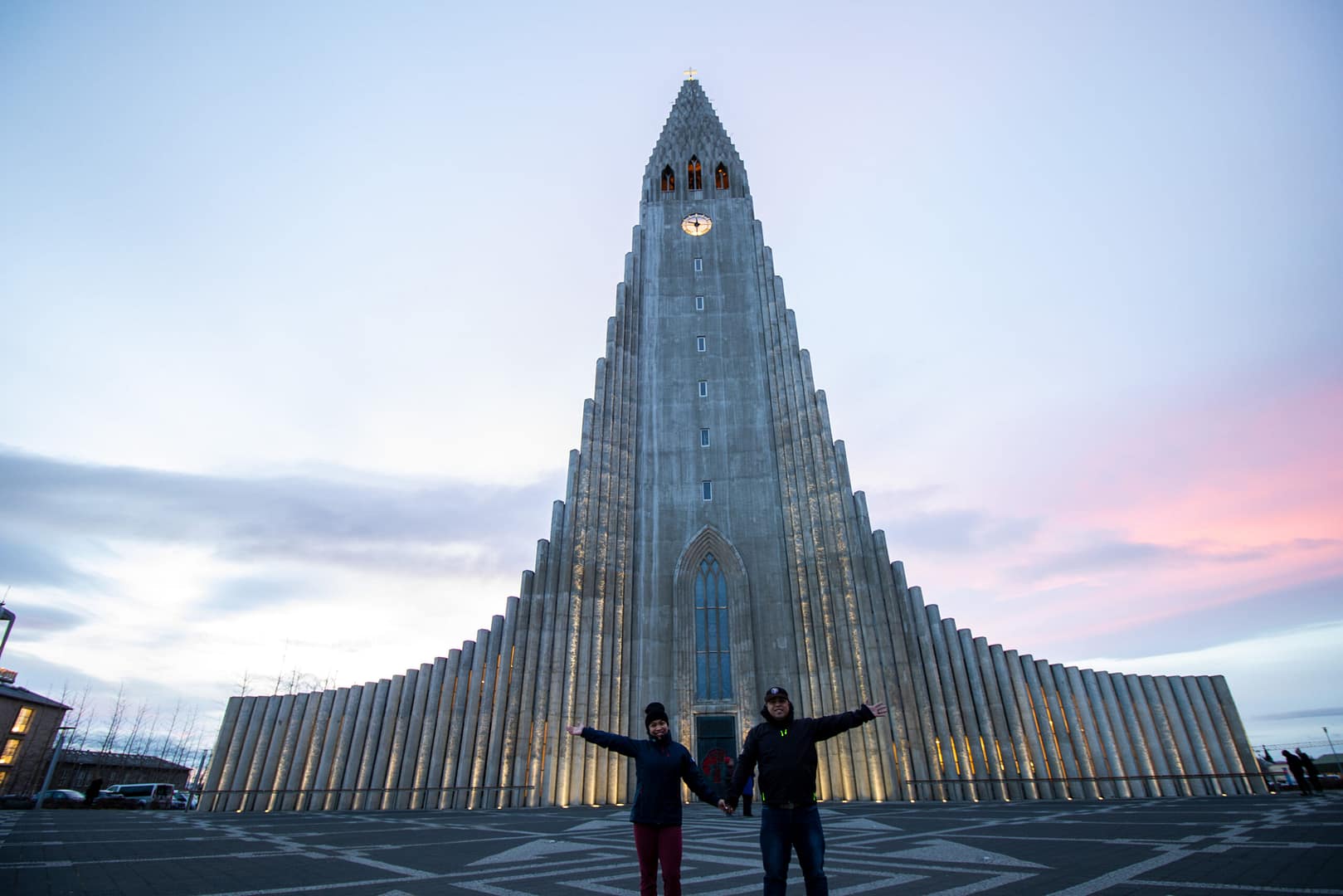
- Hallgrímskirkja (Hallgrímstorg 1) – Reykjavík’s famous church, inspired by basalt lava flows. It’s named after the poet Hallgrímur Pétursson and is a key landmark on the skyline. I recommend taking the elevator to the top of the tower for sweeping views over the city instead of trying to use a drone in urban airspace.
- Austurvöllur Square & Alþingi – A small green square framed by the Icelandic Parliament building and Reykjavík Cathedral. It’s the historic heart of the city’s political life and a nice spot for quieter, more everyday photos.
This whole loop can easily fill the afternoon with stops for coffee and quick snacks if you like.
18:30–19:00 – Back to Hotel & Short Rest
We return to our accommodation, drop cameras, recharge batteries, and change for dinner.
19:00–20:00 – Dinner in Reykjavík
For dinner, I like to highlight Icelandic seafood:
- Messinn (Lækjargata 6b) – Famous for sizzling pans of pan-fried Arctic char and creamy fish stews served family-style.
- Fish Company (Fiskfélagið, Vesturgata 2a) – Known for inventive tasting menus inspired by different regions of Iceland and the world, served in an atmospheric, almost cave-like dining room.
20:30–23:00 – Northern Lights Near Reykjavík
Even from the capital, it’s possible to see the aurora if the skies are clear. Two popular spots within a short drive are Grótta Lighthouse on the Seltjarnarnes peninsula and Heiðmörk Nature Reserve. Both offer darker skies and strong coastal or forest foregrounds.
We pick our spot based on cloud forecasts, bundle up, and stay out as long as energy and conditions allow, aiming to be back at the hotel around 11:00 PM.
Day 4 – Last Morning in Reykjavík & Departure from KEF
08:30–09:30 – Breakfast & Check-out
On our final morning, we enjoy one last Icelandic breakfast and check out of our Reykjavík accommodation. Two great options nearby:
- Sandholt Bakery (Laugavegur) – Known for artisan breads, beautiful pastries, and excellent coffee.
- Café Loki (Lokastígur 28) – Known for rye bread-based dishes and traditional Icelandic plates, with a view of Hallgrímskirkja from upstairs.
09:30–11:00 – Last Walk & Souvenir Shopping
With bags packed and the SUV still parked, we take one last walk along Laugavegur and Skólavörðustígur for souvenir shopping – things like Icelandic wool hats, mittens, or even a lopapeysa sweater if we find the right one. It’s also a final chance for city photos in daylight.
11:00–11:45 – Drive Reykjavík → Keflavík Airport
We leave Reykjavík around 11:00 AM and take the straightforward drive along Route 41 back to Keflavík. The drive is roughly 45 minutes, leaving enough buffer for fuel stops.
11:45–12:45 – Fuel & Return the SUV
Before entering the airport car rental return, we top off the fuel tank at a nearby gas station. I allocate a full hour for this whole process – filling up, checking the car, and clearing any paperwork.
12:45–17:00 – Airport Check-in, Security & Flight Home
With car returned, we head into the terminal. For a 5:00 PM international departure, being fully done with the car by 12:45–1:00 PM gives us 3–4 hours for check-in, security, some duty-free shopping, and a final lounge visit before boarding. Then it’s time to fly home, with memory cards full of waterfalls, mountains, and green skies.
Bónus Supermarket: What to Buy for a Short Stay
Bónus is Iceland’s famous budget supermarket chain, perfect for stocking up before heading into more remote areas. Here’s what I like to grab for a long weekend with a cabin base:
- Breakfast basics: skyr (Icelandic yogurt), muesli or cereal, fresh fruit, sliced cheese, ham or salami, bread or rolls, butter, and jam.
- Easy dinners: pasta and sauce, instant noodles, ready-made soups, frozen pizza, pre-cut salad mixes.
- Snacks: nuts, chocolate (look for Nóa brands), dried fruit, chips, crackers, and cookies.
- Drinks: juice, soft drinks, and bottled water (tap water is excellent, so a refillable bottle is ideal).
- On-the-go food: pre-made sandwiches, wraps, and snack boxes that can stand in for lunch near photo spots.
The idea is to make breakfasts and some dinners at the cabin, so we can spend more time chasing light instead of hunting for open restaurants on dark rural roads.
Food & Restaurant Highlights
This trip intentionally mixes casual, self-catered meals with a handful of memorable restaurant stops. Here are the key places and what they’re known for:
- Sky Lagoon bar & café (Kópavogur) – Light bites and drinks to enjoy before or after soaking in the lagoon.
- Saffran, Dalvegur 4, 201 Kópavogur – Required dinner stop. Known for Mediterranean and Indian-inspired dishes, including tandoori-style plates and solid vegetarian options.
- Local cafés around Hellnar/Arnarstapi – Simple soups, cakes, and coffee with dramatic seaside views.
- Bjargarsteinn Mathús (Grundarfjörður) – Elegant but relaxed restaurant known for local seafood and fjord views, perfect for a sit-down dinner after a day at Kirkjufell.
- Ramen Momo, Tryggvagata 16, 101 Reykjavík – Required lunch stop. Famous for house-made ramen noodles, rich broths, and momo dumplings.
- Messinn (Reykjavík) – Known for sizzling pans of fish and traditional Icelandic fish dishes.
- Fish Company (Fiskfélagið, Reykjavík) – Inventive Icelandic and international tasting menus in a cozy, atmospheric space.
- Sandholt Bakery & Café Loki (Reykjavík) – Great for pastries, coffee, and traditional dishes built around rye bread and local ingredients.
What to Wear in Iceland in November
November in Iceland is cold, windy, and often wet, with temperatures hovering around freezing and rapidly changing conditions. Layers are your best friend.
- Outer layer: a waterproof, windproof shell jacket with a hood.
- Insulation: a warm mid-layer (fleece, wool sweater, or lightweight down/synthetic jacket).
- Base layers: thermal top and leggings for long outdoor sessions and aurora watching.
- Legwear: quick-drying hiking pants or lined pants; avoid heavy jeans that stay wet.
- Footwear: waterproof, insulated boots with good grip; bring several pairs of wool socks.
- Accessories: warm hat, scarf or buff, thin liner gloves plus thicker waterproof gloves.
- Swimwear: swimsuit and a quick-dry towel or robe for the Sky Lagoon and other pools.
- Evening wear: simple smart-casual outfit (dark jeans, knit sweater, boots) is enough for most Reykjavík restaurants.
What to Bring
Here’s a practical packing list tailored specifically to this itinerary and time of year:
- Travel documents: passport, driver’s license, printed and digital copies of bookings, and travel insurance details.
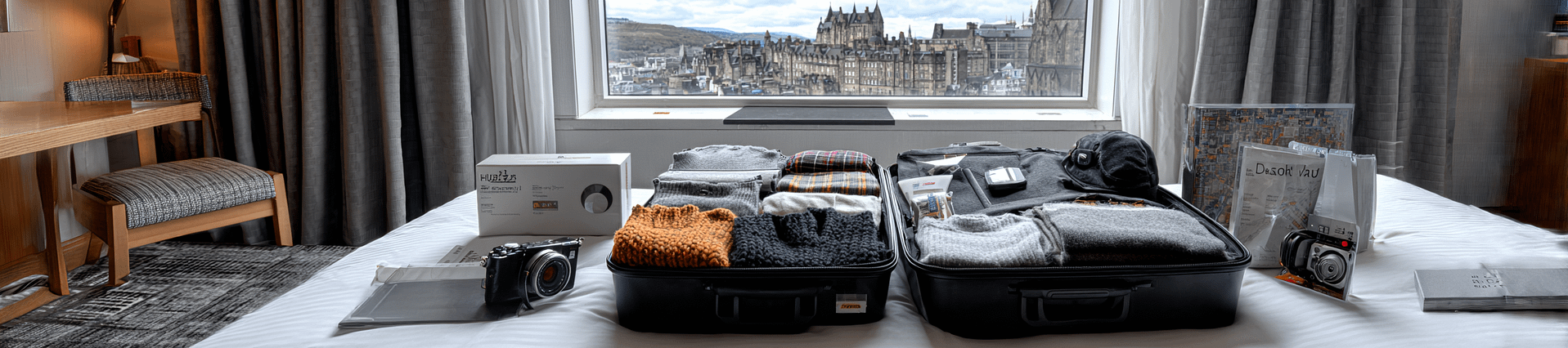
- Electronics: camera, lenses, plenty of memory cards, sturdy tripod, drone (if you fly), and all chargers.
- Power: European plug adapter (Type F) and a power strip or multi-port USB charger.
- Phone prep: offline maps of Iceland saved in your navigation app, plus a portable power bank.
- Car kit: sunglasses (for low winter sun), small trash bag, extra snacks, and a microfiber cloth to clear camera lenses.
- Pool kit: swimsuit, small quick-dry towel, and flip-flops if you prefer them around showers.
- Health: any prescription meds, basic painkillers, band-aids, and lip balm/skin moisturiser for wind and dry air.
- Reusable bottle: tap water is excellent, so a bottle helps you avoid constant plastic purchases.
For the drone specifically, I recommend bringing extra batteries, ND filters, and a printed reminder of Icelandic drone rules, as regulations and no-fly zones do change.
What Not to Bring
Just as important as what you pack is what you leave at home. Here are things I intentionally avoid bringing on this trip:
- Too many clothes: focus on a few versatile layers rather than lots of outfits; laundry is easy in Reykjavík if needed.
- Multiple pairs of fancy shoes: one good pair of waterproof boots and, at most, one nicer pair is plenty.
- Non–dual-voltage hair tools: many American devices can burn out on 230V; only bring them if they are dual-voltage.
- Large amounts of cash: Iceland is almost entirely card-based; cards are safer and more convenient.
- Bulky items and heavy books: they take up space and weight for no real benefit; use e-books or your phone instead.
- Prohibited foods and weapons: avoid bringing raw meat, certain dairy products, or anything that could be considered a weapon or self-defence device.
- Oversized camera rigs and huge tripods: unless photography is your main purpose, a sturdy but compact tripod is enough.
Cultural Tips for Iceland
Iceland is easygoing and very used to visitors, but a few cultural details will help you blend in and show respect.
- Respect nature: never go beyond ropes, never walk on fragile moss, and don’t litter.
- Shower before pools: in swimming pools and lagoons, a thorough naked shower with soap is mandatory, not optional.
- Quiet public spaces: keep voices moderate on buses, in cafés, and in pools; Icelanders tend to speak softly.
- Punctuality matters: tours and reservations run on time; arrive early rather than late.
- Tipping isn’t expected: service charges are usually built into prices; you can round up if you want, but it’s not required.
- Shoes off in homes: if you visit someone’s house or some guesthouses, remove your shoes at the door.
- Icelandic language: almost everyone speaks English, but a simple “takk” (thank you) is appreciated.
- Alcohol culture: nightlife can be lively on weekends, but public drunkenness is not admired.
- Weather awareness: locals take weather and road conditions seriously; follow their advice without argument.
- Photography etiquette: don’t trespass on private land or block roads for photographs, especially around farm houses and churches.
Safety & High Crime Areas
Iceland is one of the safest countries in the world, with extremely low rates of violent crime. Most risks to visitors are environmental rather than criminal: strong winds, icy roads, waves on beaches, and sudden weather changes.
In Reykjavík, the main area to be a bit more alert is around busy bar streets late at night on weekends, where people can get rowdy after drinking. I keep an eye on my belongings, avoid leaving bags unattended, and stick to main, well-lit streets when walking back to my accommodation.
Outside the city, crime risk is minimal, but nature demands respect:
- Check the official road and weather sites before long drives, especially in winter.
- Never drive off-road; it’s illegal and can damage fragile landscapes.
- On beaches, never turn your back on the waves and keep a safe distance from the waterline.
- Keep your phone charged and let someone know your general plans if you’re heading into remote areas.
Extra Tips for Travellers from the USA
Coming from the United States, a few extra details can make life in Iceland smoother:
- Money: the currency is Icelandic króna (ISK), but you’ll pay by card almost everywhere – even in tiny villages. A card with no foreign transaction fees is ideal.
- Driving: speeds are lower than on many US highways, and speed cameras are common. Headlights must be on at all times, and off-road driving is strictly forbidden.
- Time zone: Iceland runs on UTC year-round, without daylight savings. From the US East Coast in November, it’s usually five hours ahead, which explains why the overnight flight lands early morning local time.
- Alcohol: alcohol is expensive and only sold in state-run shops (Vínbúðin) and licensed venues. If you enjoy a drink, consider buying a small amount at duty free on arrival.
- Healthcare: emergency services are excellent, but you’ll pay out of pocket without insurance. Travel insurance that covers medical care and evacuation is a smart idea.
With those basics in place – plus the detailed day-by-day plan above – you’re ready to follow this November Iceland itinerary almost step for step, or use it as a framework for your own northern adventure.