This page documents a structured short-term rental business case study built around leasing residential properties, preparing them for guest-ready operations, and managing a repeatable rental arbitrage workflow across multiple locations.
Project Overview
This operation was developed through Shared Escapes LLC as a focused rental arbitrage venture. The business model centered on securing long-term residential leases with permission for corporate leasing, re-leasing, or subleasing, then preparing each property for short-term rental activity through setup, furnishing, documentation, and operational systems.
The project was formed in February 2025 and sold in August 2025, making it a compact but valuable business case study in execution, property operations, process design, compliance awareness, and scalable short-term rental management.
Operating Strategy
Lease Control
Secure properties through leases that allow corporate leasing, re-leasing, or subleasing.
Property Setup
Prepare each unit with furnishings, guest-ready essentials, maintenance tracking, and clean presentation.
Guest Operations
Support short-term rental activity through organized communication, cleaning workflows, and quality control.
Locations
These were the primary locations associated with the operation, spanning Arizona, Texas, and Florida.
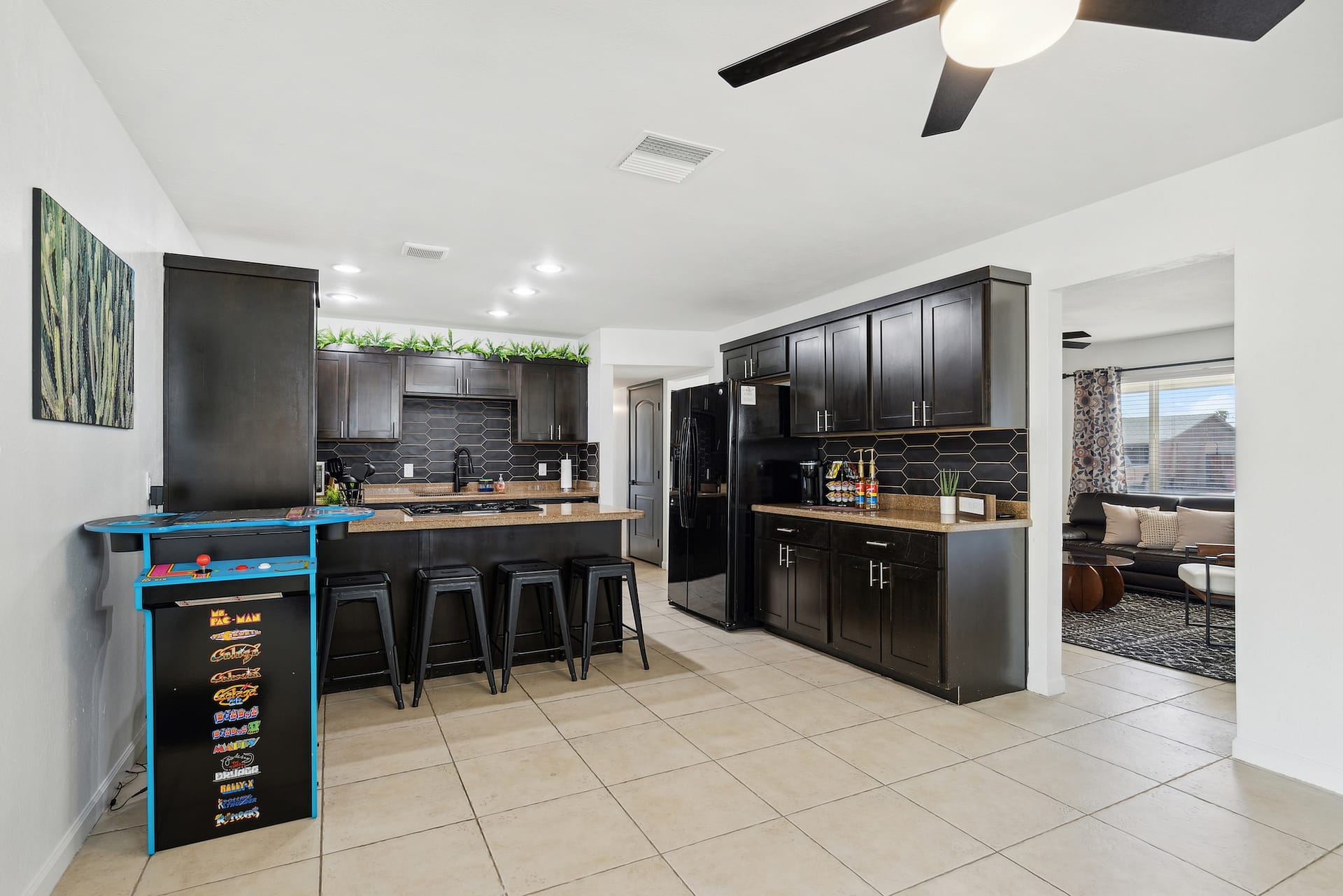
Scottsdale, Arizona
The Scottsdale location represented the Arizona side of the operation and highlighted the importance of strong lease terms, property readiness, and market-specific setup for short-term rental activity.
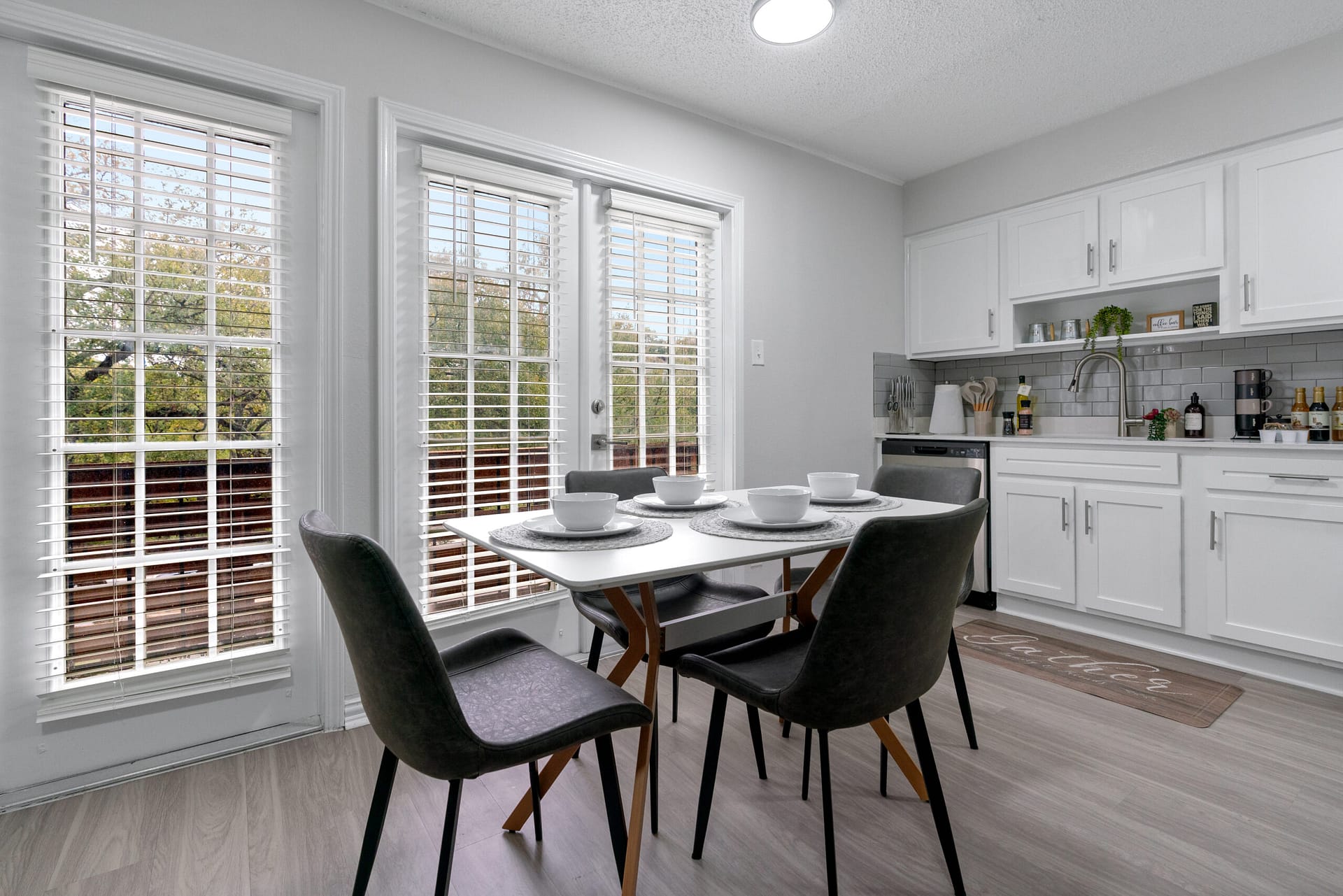
Austin, Texas — Unit A-205
Unit A-205 was part of the Austin footprint and reflects the repeatable operating approach: lease control, documentation, setup, cleaning coordination, and ongoing property management.
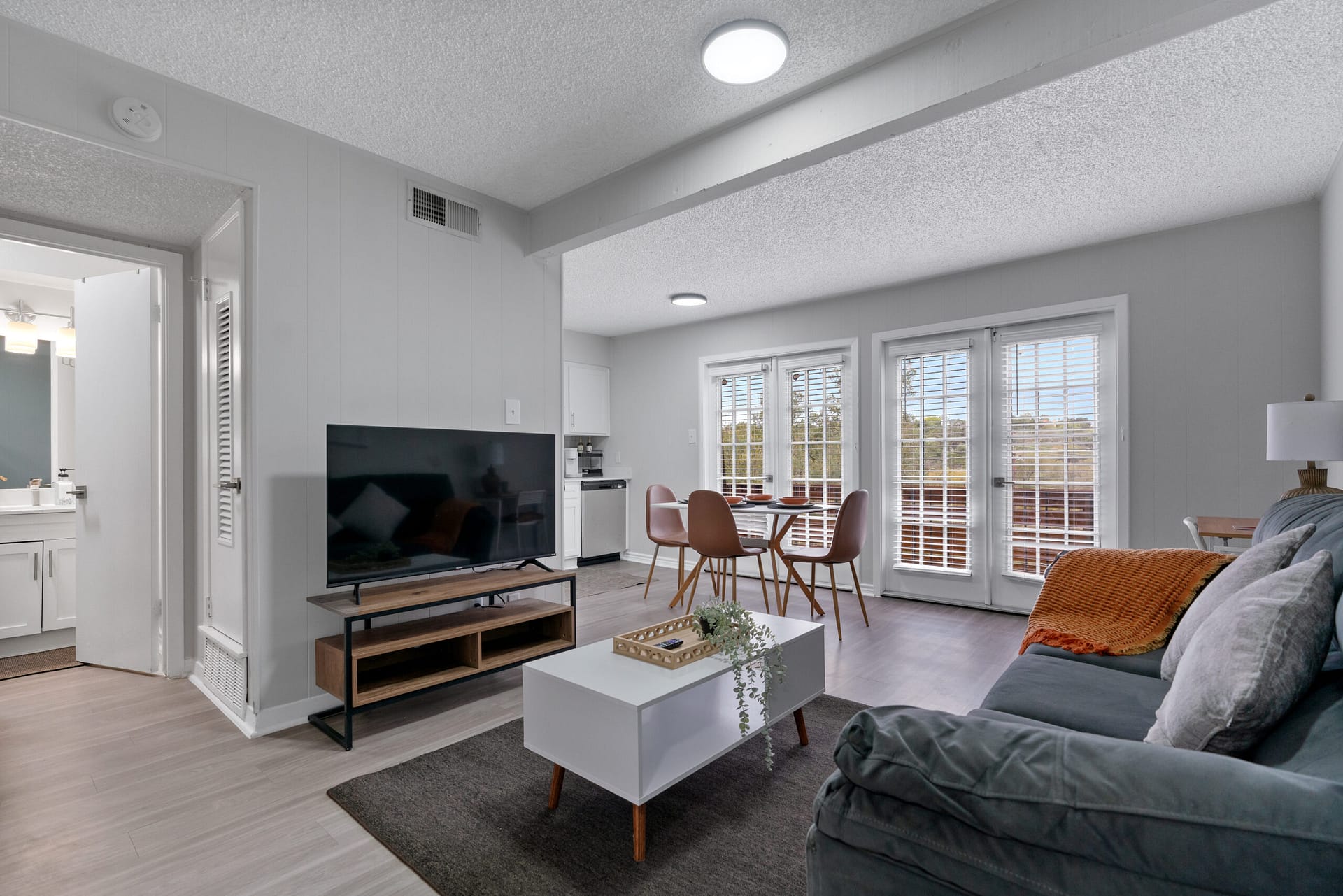
Austin, Texas — Unit A-308
Unit A-308 expanded the Austin operation and demonstrated how standardized processes can support multiple units within the same market while keeping documentation and execution consistent.
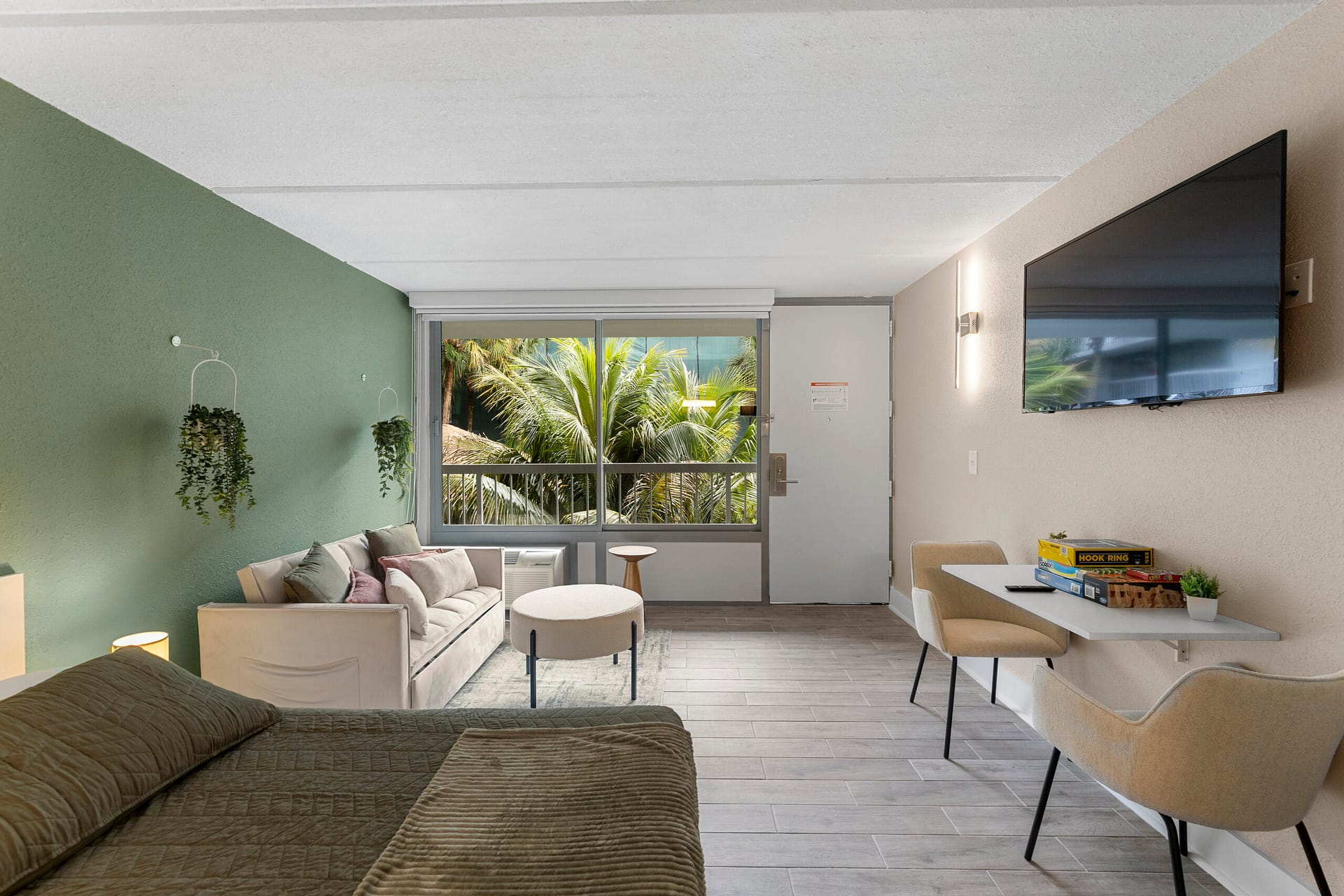
Kissimmee, Florida — The Irlo
The Irlo location represented the Florida side of the operation and helped show how rental arbitrage could be applied in a hospitality-driven market with structured lease and operations planning.
Rental Arbitrage Workflow
The operation followed a repeatable workflow designed to move from lease opportunity to guest-ready short-term rental unit.
- 1 Source the PropertyIdentify lease opportunities with terms that support corporate leasing, re-leasing, or subleasing.
- 2 Review the LeaseConfirm operational permissions, restrictions, insurance requirements, maintenance obligations, and compliance considerations.
- 3 Prepare the UnitCoordinate furnishing, cleaning, utilities, supplies, access, and guest-ready presentation.
- 4 Launch OperationsOrganize listings, guest communication, cleaning schedules, maintenance workflows, and property records.
- 5 Track and ImproveUse documentation, financial tracking, vendor coordination, and lessons learned to improve the operating model.
Operational Focus
Documentation
Lease files, entity records, property folders, compliance documents, and operating notes were organized to support decision-making.
Quality Control
Cleaning, maintenance, presentation, and guest-readiness standards were central to keeping each unit operationally consistent.
Scalability
The model was built around repeatable systems so the operation could expand across different markets without owning real estate.
Closing Summary
Rental Arbitrage Operation was a hands-on business project focused on building a structured short-term rental system through leased properties instead of owned real estate. It brought together property sourcing, lease review, furnishing, guest operations, vendor coordination, compliance awareness, and scalable process design into one practical business case study.